How Long Does a Wood Fence Last? Lifespan Tips for Thomasville, GA, Homeowners
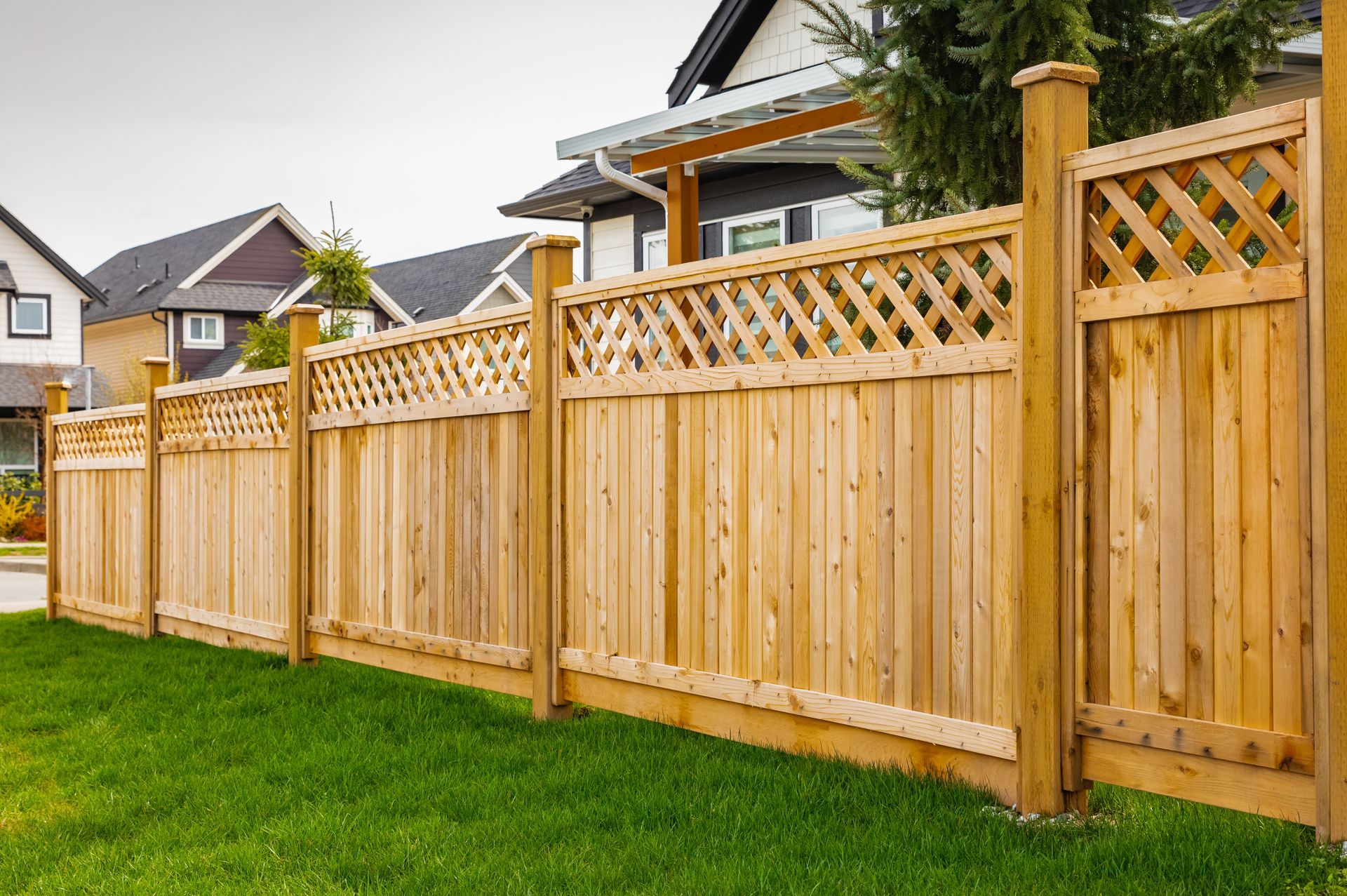
Wood fencing installation remains one of the most popular ways for Thomasville, GA, homeowners to add privacy, curb appeal, and value to their properties. But before you invest in a new fence, one question comes up almost every time: how long will it actually last? The answer depends on your wood species, installation quality, and how South Georgia's climate treats it over time.
How Long Does a Wood Fence Last in Thomasville, GA?
A professionally installed wood fence in Georgia typically lasts 15 to 20 years. Thomas County sits in a humid subtropical climate zone where summer humidity regularly climbs high, heat is intense, and afternoon thunderstorms are common from May through September. Those conditions shorten the lifespan of any fence that isn't properly matched to the environment and maintained consistently.
Wood species is one of the biggest factors in how long your fence survives. Here is what you can expect in South Georgia conditions:
- Cedar can last 15 to 20 years with regular care, and its natural oils help resist rot and insect damage.
- Pressure-treated pine typically lasts 10 to 15 years with proper maintenance, making it a solid mid-range option.
- Untreated pine may show significant deterioration in as few as 5 to 7 years in a high-humidity environment like Thomasville's.
- Cypress offers strong natural rot resistance and performs well in wet, humid conditions, making it a worthwhile choice for South Georgia properties.
These ranges assume professional installation and ongoing upkeep. Skip the maintenance and every wood type lands near the bottom of its expected lifespan.
Why South Georgia's Climate Is Tough on Wood Fences
Thomasville's heat and humidity create specific challenges for wood fences. Georgia summers regularly push humidity into the 70 to 90 percent range. That moisture gets absorbed into wood, causing repeated cycles of swelling and drying that gradually warp boards, loosen fasteners, and crack surfaces.
Georgia's red clay soil compounds the problem. Posts set into the ground stay damp long after rain, and that soil-to-post contact zone is where rot and structural failure typically begin. Subterranean termites are active throughout the region and are drawn to the same damp, warm soil environment. Intense UV exposure from long, sunny summers also breaks down the wood surface, making it more porous and speeding up moisture absorption.
A fence that lasts 20 or more years in a drier climate may need replacement considerably sooner here without the right materials and consistent care. Choosing the right wood fencing installation from the start is one of the most effective ways to protect your investment.
Maintenance Tips That Can Add Years to Your Fence
A few consistent habits make a real difference for Thomasville, GA, homeowners.
- Inspect your fence each spring for loose boards, cracked pickets, leaning posts, and surface rot, and address small problems before they spread.
- Clean your fence annually with a pressure washer or mild soap and water to remove mold, mildew, and algae buildup.
- Stain or seal your fence every two to three years, since humidity and UV exposure break down protective coatings faster than in drier regions.
- Clear leaf litter and debris from the base of the fence after storms, since trapped moisture against the wood accelerates decay.
- Apply a mildewcide treatment to shaded sections, which dry more slowly and are more prone to fungal growth.
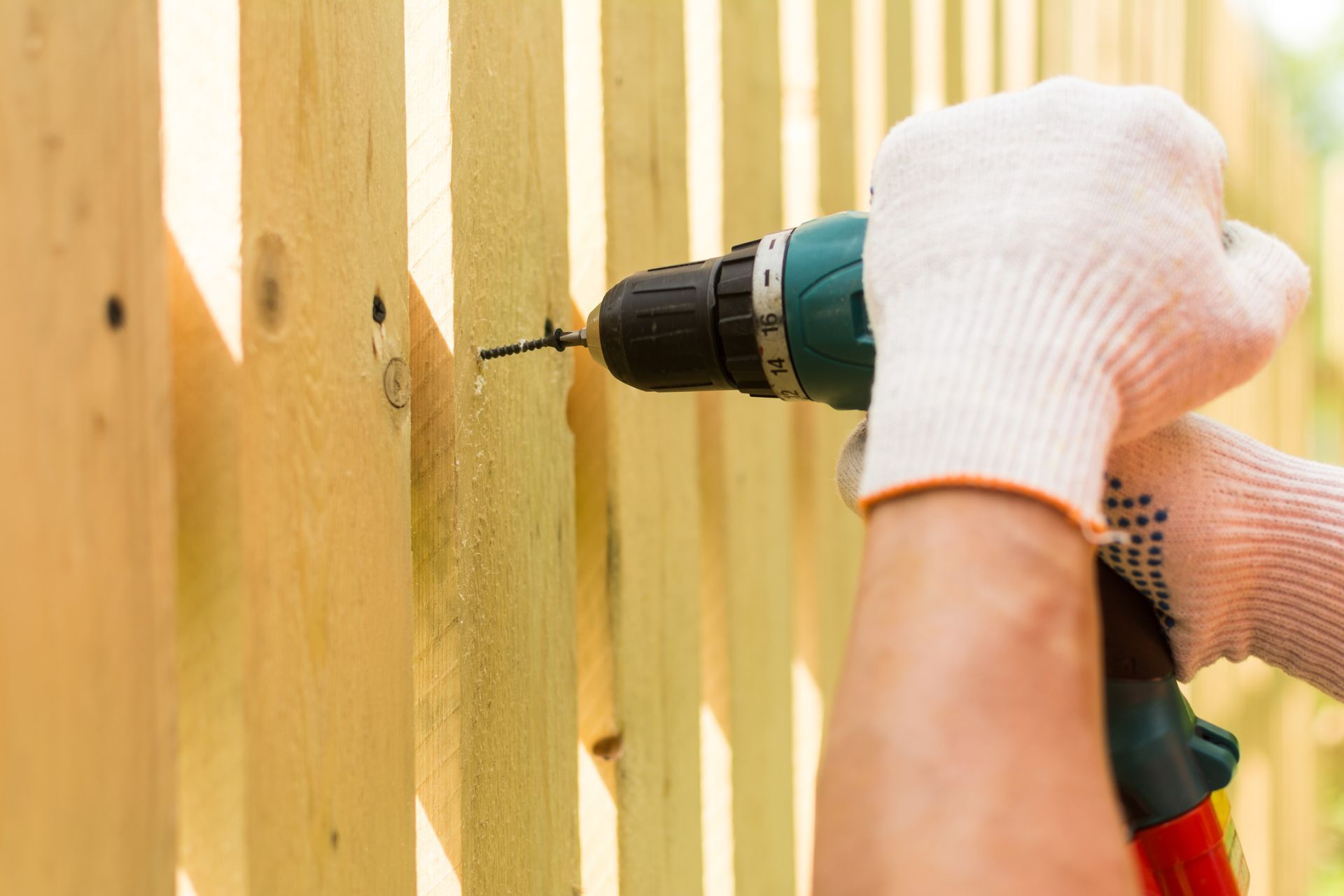
- Use galvanized or stainless steel fasteners, since standard hardware rusts quickly in humid conditions and weakens fence joints.
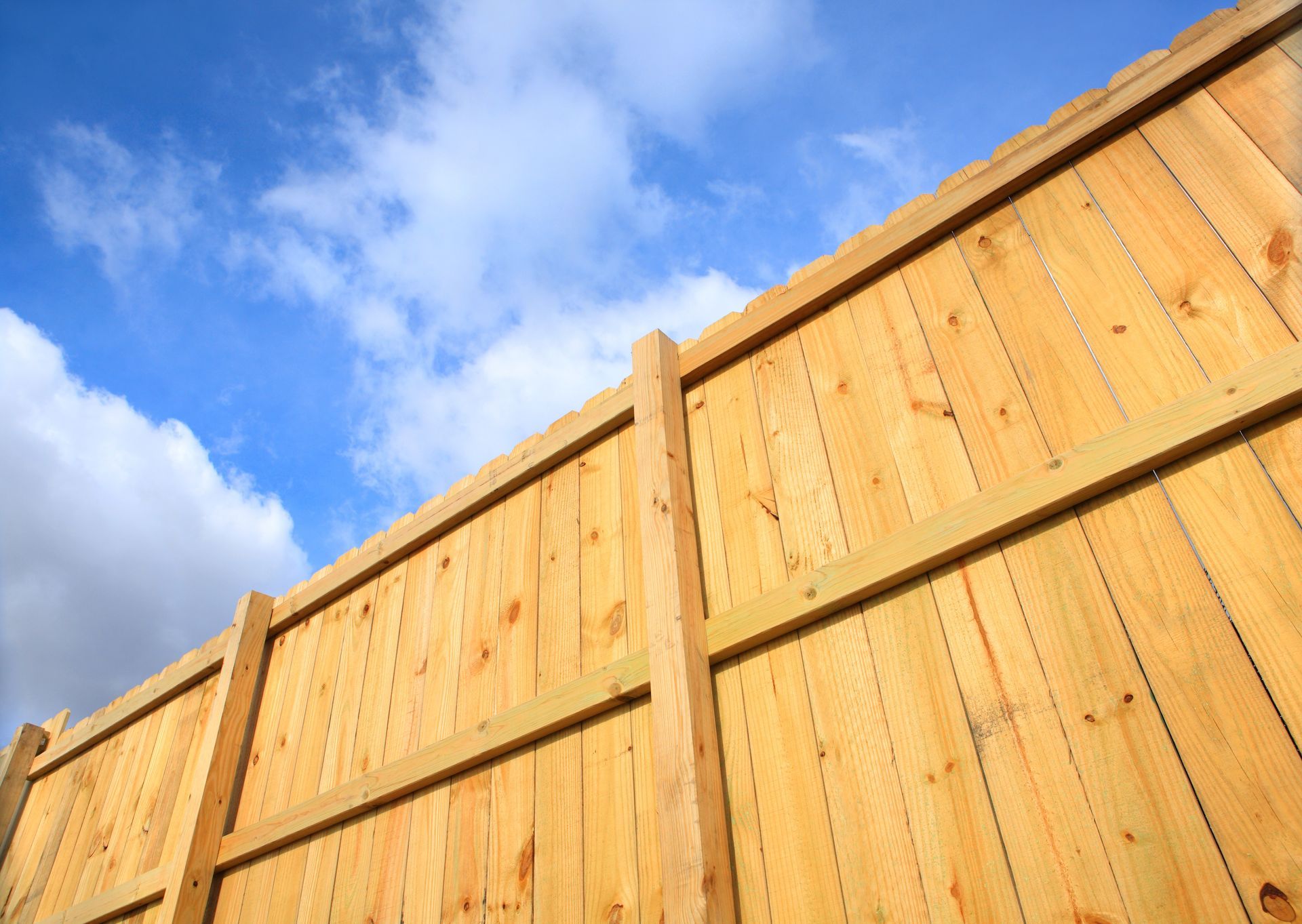
Proper post depth and drainage at installation also matter enormously. Posts that sit too shallow or lack drainage at the base are often the first components to fail in Georgia's expansive clay soil. Quality wood fencing installation by an experienced contractor builds these details in from day one.
Signs Your Wood Fence May Need Repair or Replacement
Catching problems early can save you money. Watch for these warning signs:
- Boards that lean, sag, or have visible gaps that did not exist at installation.
- Soft or spongy wood at the base of posts, which often signals rot has begun underground.
- Deep surface cracks or splitting that allows moisture to penetrate the wood's interior.
- Discoloration, dark staining, or visible mold that does not wash off with cleaning.
- Posts that move when pushed, indicating the base has lost structural integrity.
Minor issues like a loose board or cracked picket are typically repairable. When multiple sections show damage or posts are failing, full replacement may be more cost-effective than continued repairs. For an honest assessment, check out the fence repair services available to Thomas County homeowners.
What Wood Species Works Best for Thomasville Homeowners?
Cedar and cypress tend to hold up best in Thomasville's humid conditions. Both carry natural resistance to moisture, rot, and insects that untreated pine cannot match. Pressure-treated pine is a practical, widely available option that performs well when properly sealed and maintained. The right choice comes down to your budget, maintenance preferences, and long-term goals. Discussing options with a contractor who understands local conditions is a smart first step before committing to any wood fencing installation project.
Ready to Install a Wood Fence That Lasts?
A well-chosen, properly installed wood fence can serve your home for many years, even in South Georgia's demanding climate. Sims Fence Company serves Thomasville, GA, and the surrounding Thomas County area with quality materials and craftsmanship. Whether you are starting a new project or wondering if your current fence can be saved, the team can help you make the right call.
Explore wood fencing installation options or contact us to schedule a free estimate today. You can also call (229) 245-9697 to speak with the team directly.